

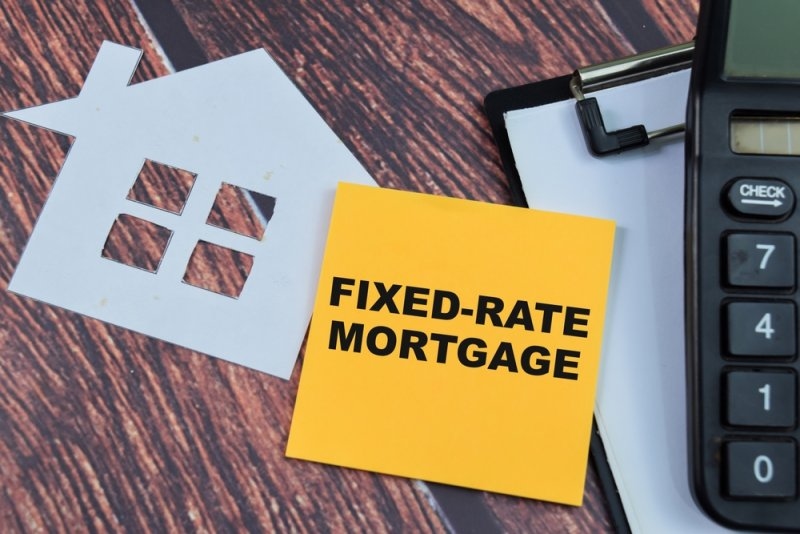
Purchasing a property is probably going to be among the greatest financial choices you’ll ever make, and you can also find a financial loan that goes for the home you obtain, as opposed to finding the home alone! Learning about the fixed-rate mortgage vs adjustable-rate mortgage discussion might help prevent you from developing expensive blunders.
The discussion about fixed-rate mortgage vs adjustable-rate mortgage begins with how they work around interest rates. A fixed-rate mortgage locks in exactly the same interest rate over the entire lifespan of a mortgage. Conversely, an adjustable-rate mortgage begins with reduced preliminary interest rates that can rise or fall later on, determined by market changes.
It truly is necessary to become acquainted with each lending option before selecting either mortgage. It’ll ensure it is easier to figure out the difference between a fixed-rate mortgage and an adjustable-rate mortgage when evaluating different lenders’ loan deals.
First off, numerous homebuyers inquire, What is a fixed-rate mortgage? Well, it’s a home loan in which the interest rate remains fixed throughout the repayment span of the loan. It doesn’t make a difference if you plan on obtaining a 15, 20, or perhaps a 30-year mortgage; the principal, along with interest payments, will likely be predictable as time goes by.
The best part regarding being aware of what a fixed-rate mortgage is is actually its steadiness. Even if the interest rates increase across the market, your payments stay exactly the same, helping make budgeting straightforward and shielding homeowners from increasing interest expenses. If you’re planning on moving soon and then aren’t seeking to pay off your own mortgage right away, these people normally seem like an appealing selection.
Another question that comes up frequently involves "what is an adjustable-rate mortgage?" These kinds of loans begin by using a fixed rate for a restricted quantity of decades, say five, seven, or 10. After this initial period passes, rates begin adjusting, typically according to a specific index. The particular adjusted price changes every so often.
Researching exactly what an adjustable-rate mortgage is might help borrowers become aware of its pros and cons. The preliminary reduced rates often make home-ownership affordable, at first, simply because loan payments are lower. However, after the initial few decades, rates rise, and the payments begin to grow, making the budget more complicated later on.
Explore More: How Buy Now Pay Later Regulation Is Changing the Future of Payments?
Basically, the difference between a fixed-rate mortgage and an adjustable-rate mortgage lies in what happens to rates after the preliminary fixed period concludes. A fixed rate will never budge, while an adjustable rate mortgage changes based on market forces after the introductory phase.
| Feature | Fixed-Rate Mortgage | Adjustable-Rate Mortgage |
|---|---|---|
| Interest rate | Never changes | Changes after the initial period |
| Monthly payment | Predictable | May increase or decrease |
| Budget planning | Easier | Less predictable |
| Initial interest rate | Usually higher | Usually lower |
| Best for | Long-term homeowners | Short-term homeowners or those expecting income growth |
Comparing fixed-rate mortgages and adjustable-rate mortgages will help you look at the loans through a more sensible financial lens and not just pick the lowest starting rate.
Looking at what a fixed-rate mortgage will give you insight as to why it might be a better option. You should opt for the fixed-rate mortgage if you plan to stay in the house for a significant portion of your life. The consistency of the monthly payment is of a lot more value for families with a fixed monthly income that cannot be flexed much to meet changing demands.
Another positive that helps in comparing fixed-rate mortgages vs adjustable-rate mortgages is the added benefit of the loan protecting you against escalating interest rates. It does not matter how much interest rates may skyrocket in the future; your monthly payment remains consistent. This gives long-term financial planning the ease it needs.
The features of a loan, such as what an adjustable-rate mortgage is, may give you reason to choose it as an option when circumstances favor it. The initial lower rate will only benefit you if you will not be there for the entire loan term. It is important to note that this advantage comes with risk, as interest rates may go up after the initial period, which means that your mortgage payments will also increase.
An adjustable-rate mortgage can also be used when you plan to receive a substantial pay raise or if you expect to move or refinance your mortgage before the period of adjustment is over. If comparing a fixed-rate mortgage versus an adjustable-rate mortgage, this loan usually has lower initial payments, but greater potential risk later.
More than interest rates need to be considered when picking a fixed-rate mortgage versus an adjustable-rate mortgage. Take into account how long you plan to stay in the house. Your income should also be stable; you will be able to deal with changing monthly payments or not.
Before signing any loan documents, carefully go over what a fixed rate mortgage versus an adjustable rate mortgage entails, and then what a fixed rate mortgage and an adjustable rate mortgage entail more closely. Also, understand any limits to rate increases that will occur with the loan, and ask your lender questions on possible rate increases throughout the life of the mortgage.
When selecting between a fixed-rate mortgage and an adjustable-rate mortgage, there is not one option that suits everyone best; it will really depend on your individual finances and future plans, and of course, how comfortable you are with future uncertainty on your interest rates. Understanding the differences between a fixed-rate mortgage and an adjustable-rate mortgage, as well as the specificities of what a fixed-rate mortgage and an adjustable-rate mortgage are, can really aid in making an educated decision.
You should choose not just on the lowest rate available but also on what the mortgage can do for you and your family in the future.
Before agreeing to take on a mortgage, inquire about interest rates, annual percentage rate, closing expenses, the repayment structure, and whether there are prepayment penalties. Furthermore, make sure to find out about refinancing prospects and get future repayment estimates. Understanding all of this will enable you to compare various offers from lending institutions and will also prevent you from incurring unnecessary expenses following the procurement of your residence.
Despite the fact that the monthly payment on interest and the loan principal remain constant, it’s quite possible for your overall monthly payment to increase or decrease if your property tax, mortgage insurance premium, or escrow costs are revised. A reading of your annual mortgage document should clarify these payment adjustments.
Your mortgage rate will be determined by factors such as your loan amount, your credit history, your debt-to-income ratio, your down payment, the loan term, the current market rate, and current economic tendencies. By improving your overall financial position, you may be eligible to receive more advantageous rates when you begin searching for mortgages.
While it is possible to get lower month-to-month payments as a result of refinancing, or the repayment duration of the mortgage might be shortened, this method also leads to additional closing expenditures and financial institution fees. However, the cost of refinancing might result in savings in the long term than what one might have had to put down originally.
This content was created by AI